See the network behind each visitor, and write rules on it
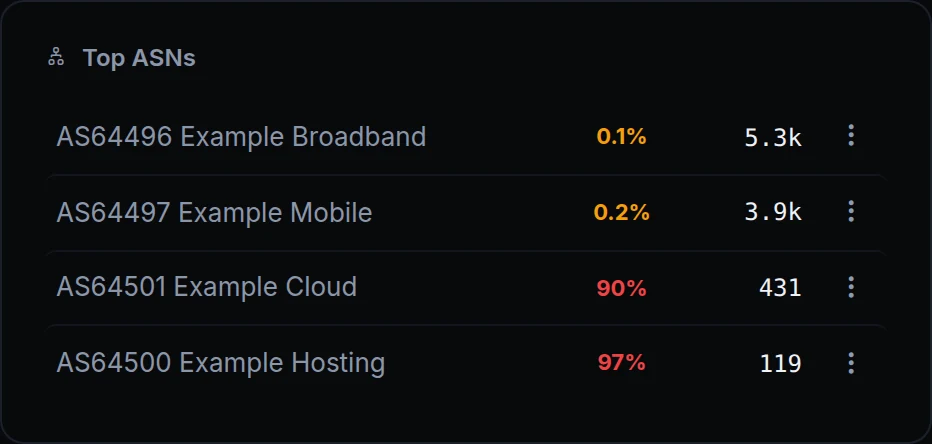
Security Analytics names the networks your visitors come from, any traffic rule can match a network with req.asn, and load-test tools now count as automation.
10 entries in Security Clear filters
Security Analytics names the networks your visitors come from, any traffic rule can match a network with req.asn, and load-test tools now count as automation.
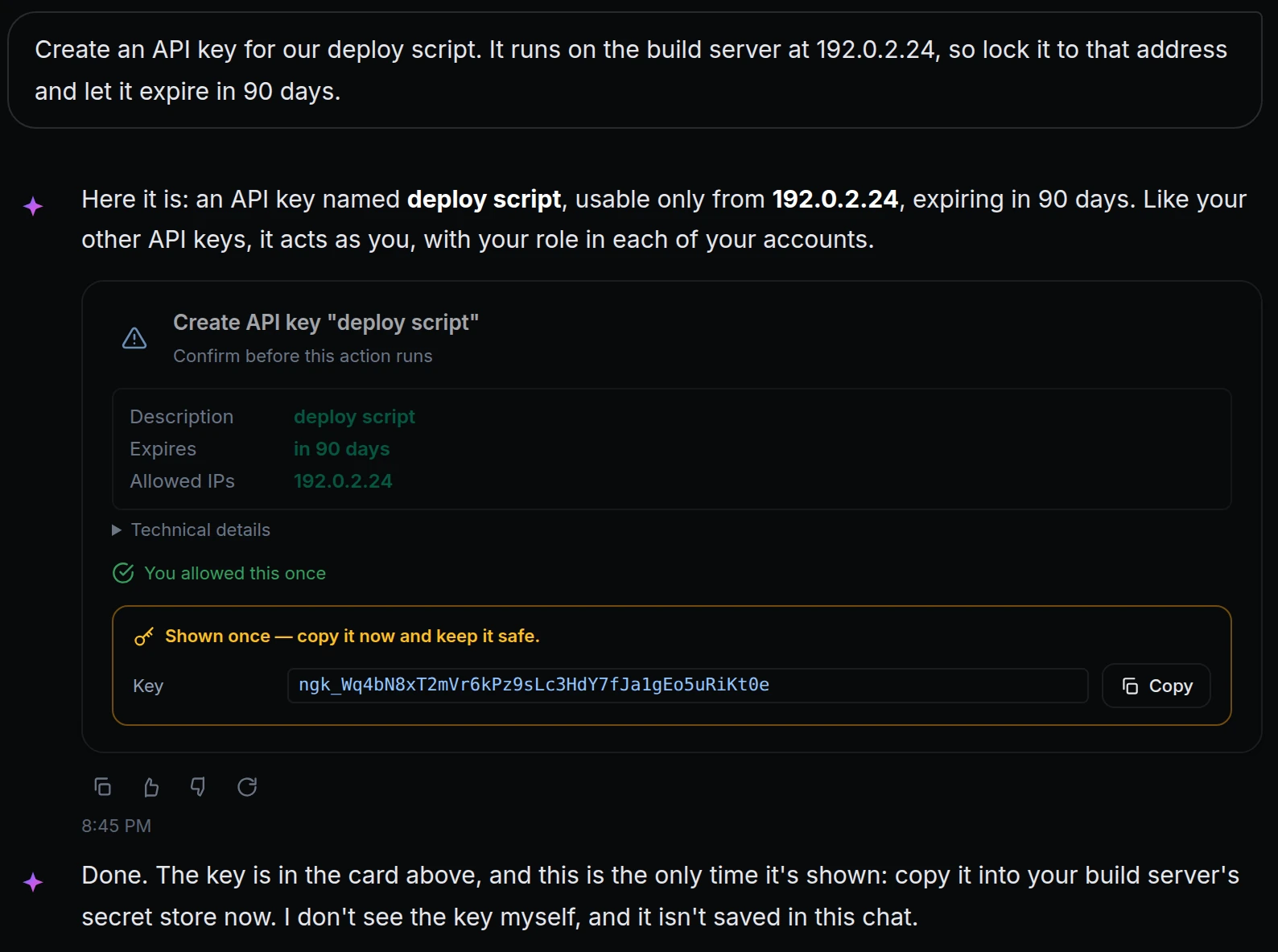
A key Iris creates for you is shown once, to you. Saved Slack and webhook URLs show only their domain, and alert emails go only to your account's members.
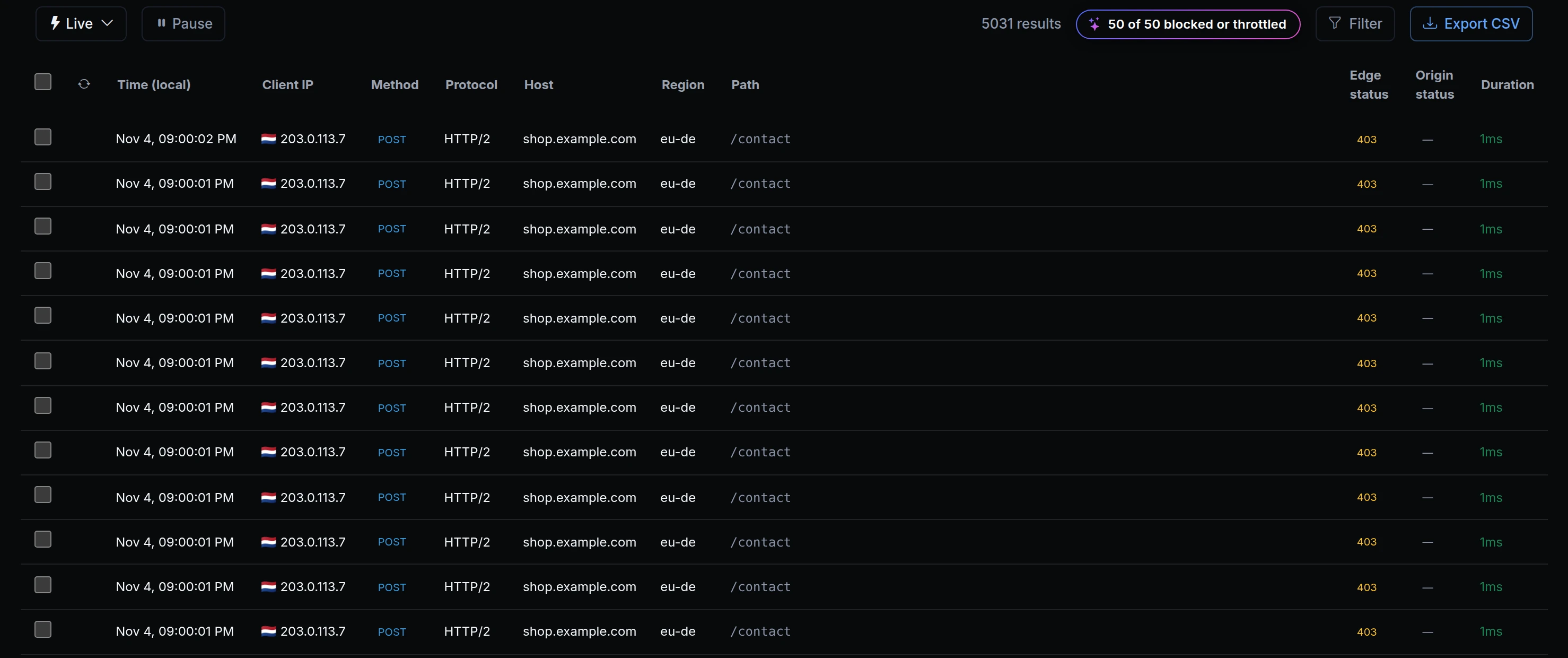
Sites behind Cloudflare now show the visitor's own IP in your logs and IP rules, and Iris flags a flooding visitor you can block in one click.
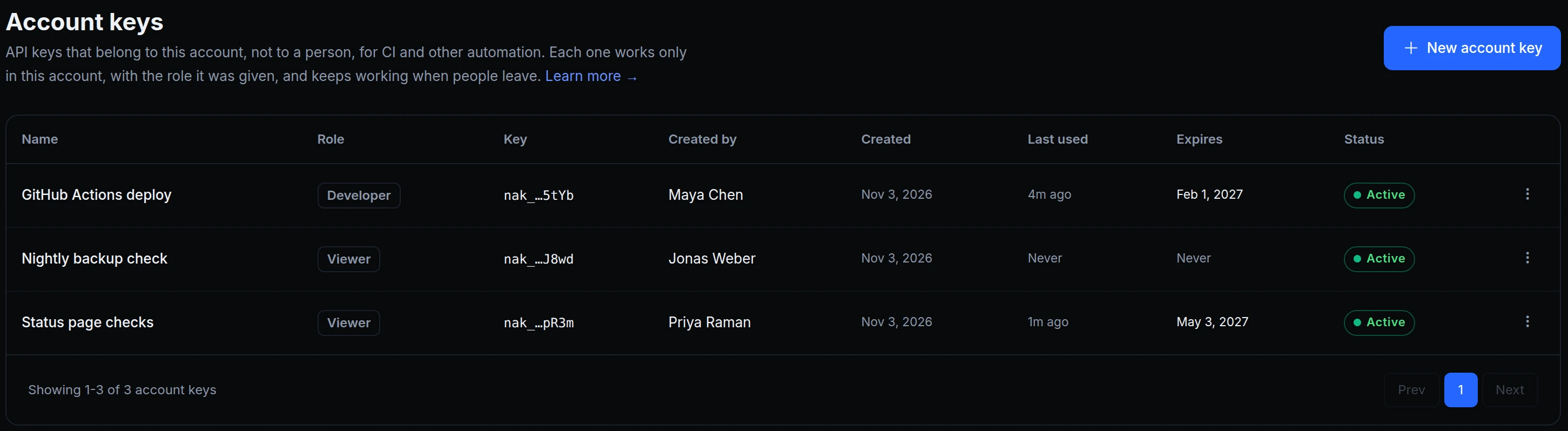
Your API keys are now yours and work in all your accounts. Account keys belong to the account, act with the role you pick and keep working when people leave.
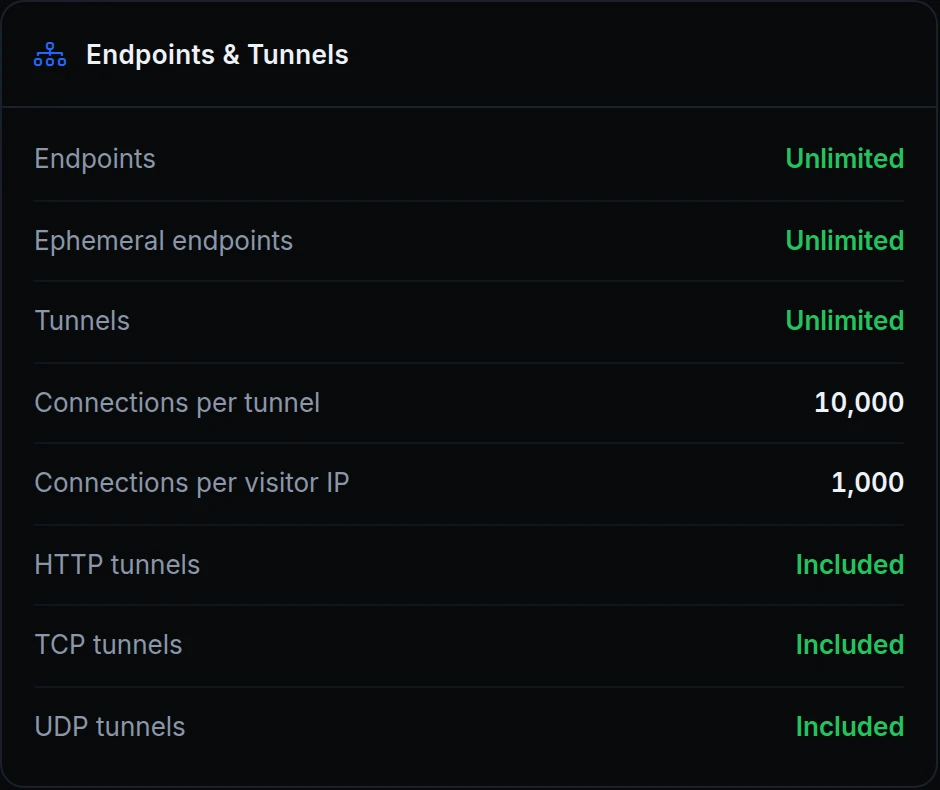
Every visitor IP gets its own share of a tunnel's connections, so one client opening connection after connection can't lock everyone else out.
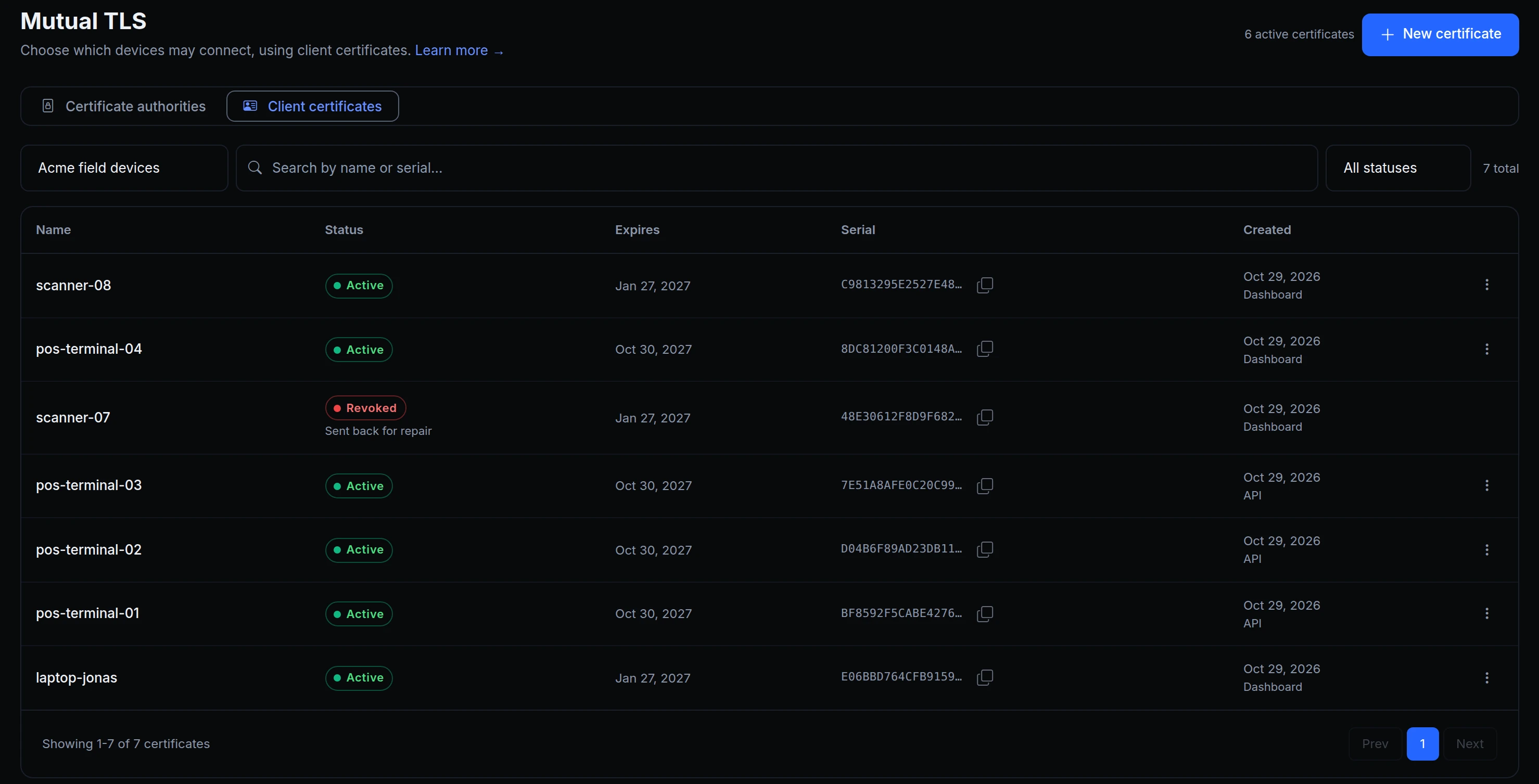
Create a certificate authority in ngris, issue a certificate for each device and revoke a lost one. Endpoints let in only the devices you trust.
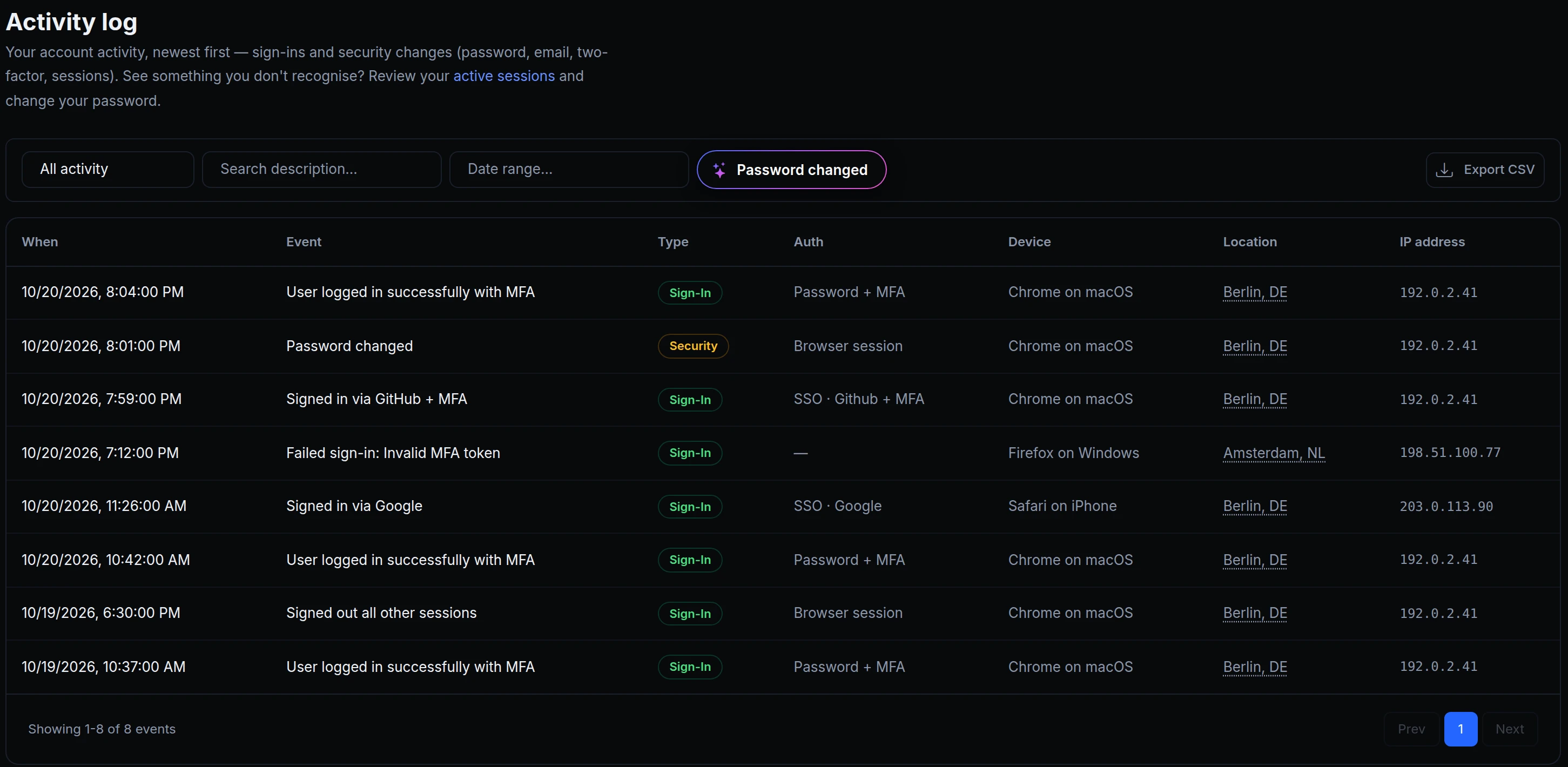
Password guessing against your account no longer stops the browser you use. And each sign-in in your Activity log says how it was made: password, SSO and MFA.
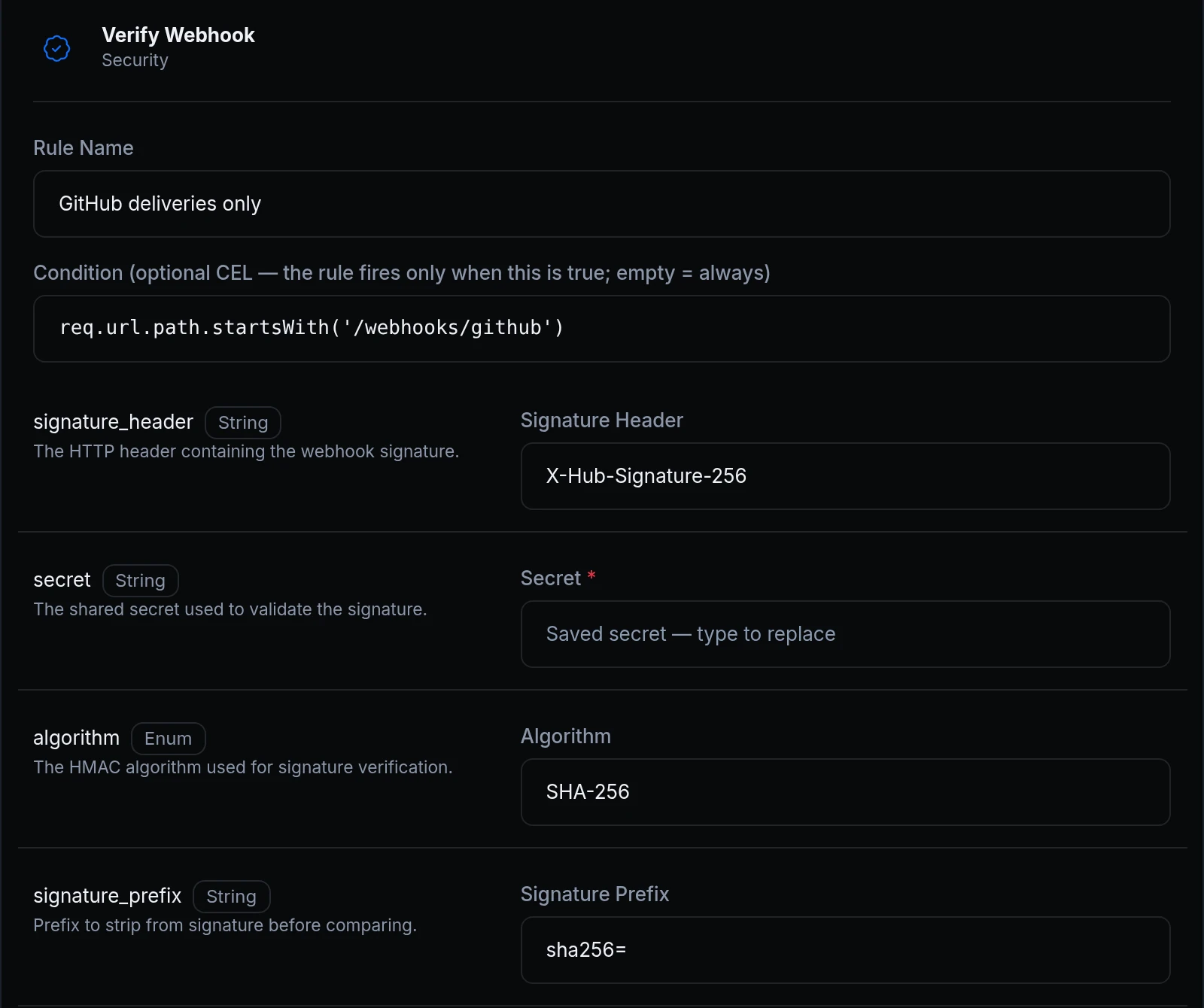
The Verify webhook rule refuses deliveries without a valid signature at the edge, so forged events never reach your server. Its secret is never shown again.
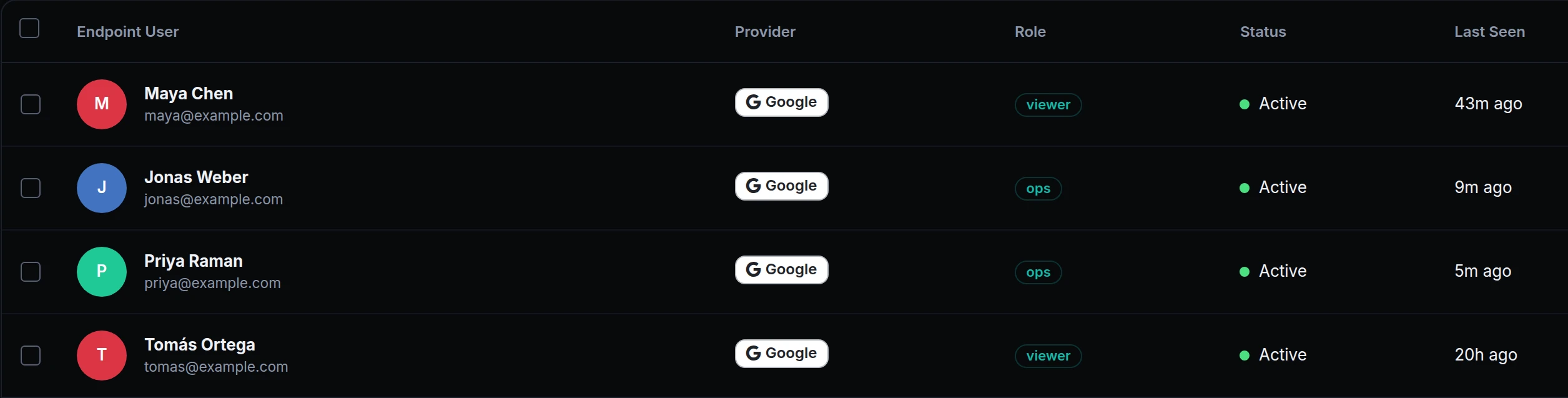
After someone signs in at the edge, each request your app gets carries a token signed by ngris that names them and their roles. Your app can verify it.
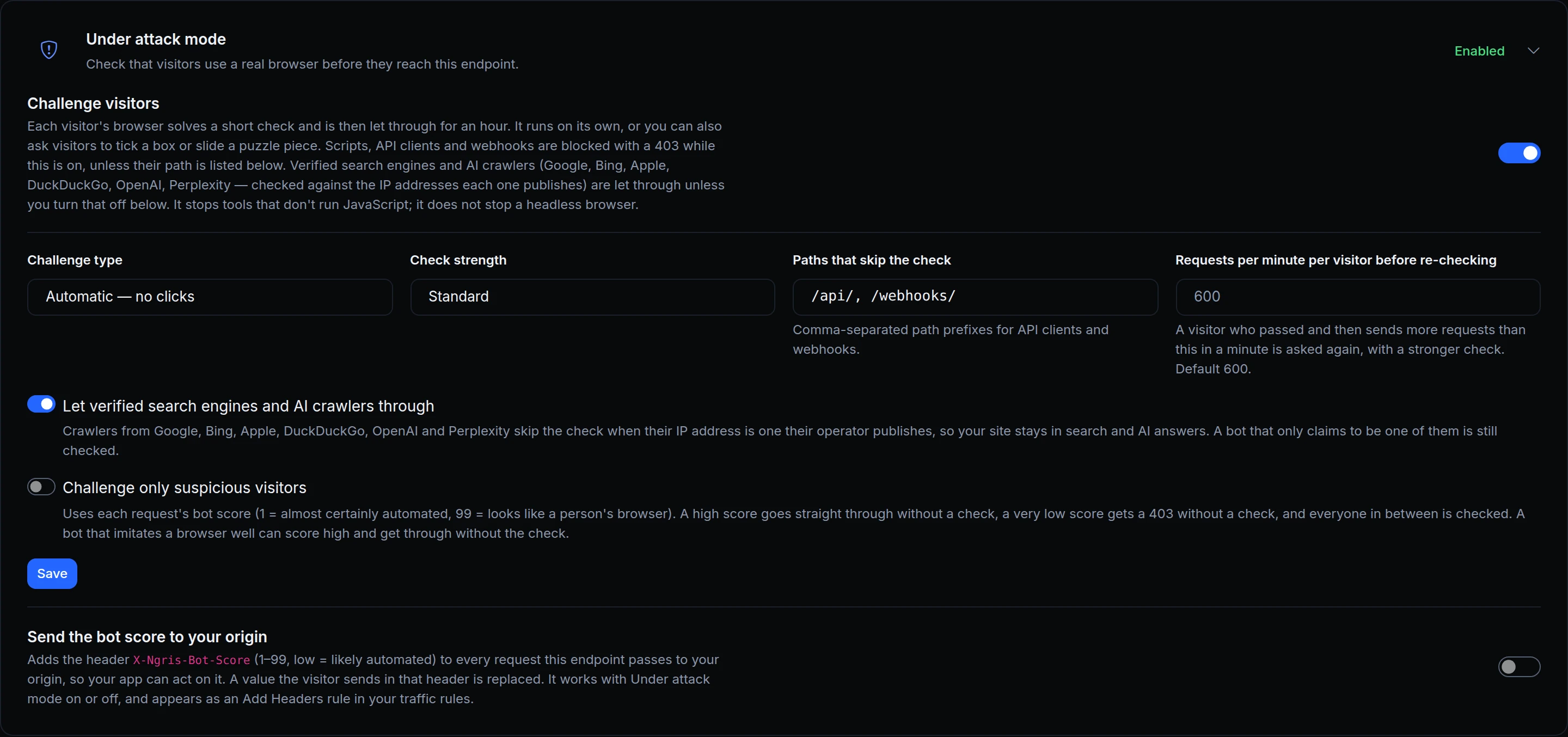
Under attack mode checks each visitor's browser and stops scripts, while verified search engines and AI crawlers keep reaching your site.